Free GMC / Shopify trust checklist

Check store-trust gaps before you buy.

A free Shopify store-trust readiness check for Merchant Center issue triage, policy visibility, product-page consistency, checkout trust, and paid-kit fit. ReplyAide is independent from Google, Google Merchant Center, and Shopify.

We’ll send the download link. No spam. Unsubscribe anytime.

By requesting the checklist, you agree to receive this free resource and occasional ReplyAide workflow updates. You can unsubscribe anytime. See the Privacy Policy.

10reader-friendly files in the free ZIP
10 minfirst-pass review path
0outside account access required
Free diagnostic Use this before deciding whether a paid Rescue Kit is necessary.

The free check helps identify visible gaps, organize owner notes, and choose a relevant next workflow. It does not replace the paid kits and does not promise any platform or business result.

Why this is free

Use it before buying a paid kit.

The checklist gives you a useful first-pass diagnosis without replacing the paid Rescue Kits. If the free pass exposes only a few obvious fixes, you may not need a paid product yet. If it exposes more than 3 serious gaps, compare the paid Rescue Kits before trying to manage the cleanup from memory.

  • Find visible store-trust, policy, product-page, footer, and checkout gaps.
  • Score each issue Low, Medium, or High before deciding the next workflow.
  • Separate store-trust work from feed-data work so you do not buy the wrong kit.

What you get

PDF first, CSV second, paid kit only when the issue list needs it.

The ZIP is built for normal Mac and Windows users: open the browser README, read the PDF guide, then use the CSV trackers for owner notes.

What this free check helps you see

Find the visible gaps before choosing a tool.

The goal is a calm first-pass diagnosis: what is visible to a shopper, what contradicts itself, and what needs an owner before any account-facing action.

Whether public business details, contact paths, policies, and checkout-visible values are consistent enough to review internally

Use the finding as an internal owner note, not as a final platform-facing statement.

Which gaps are likely store-trust work versus feed-data work

Use the finding as an internal owner note, not as a final platform-facing statement.

Which product pages need claim, price, availability, image, or shipping consistency checks

Use the finding as an internal owner note, not as a final platform-facing statement.

Whether a paid Rescue Kit is a sensible next step or whether the free checks are enough for the first pass

Use the finding as an internal owner note, not as a final platform-facing statement.

What it does not include

The free check is diagnosis, not a full rescue workflow.

It does not include the paid kits’ local workflow screens, deeper evidence logs, owner queues, sample records, or packaged review handoff structure.

No account actions

It does not connect to, submit to, appeal in, or change Google Merchant Center or Shopify.

No full paid workflow

It helps you decide what kind of issue you have before choosing a paid Rescue Kit.

No outcome promise

It does not guarantee Google approval, account recovery, rankings, sales, revenue, ad approval, or any outside result.

What this does not do

Keep the boundary clear before relying on the checklist.

This resource is independent from Google and Shopify. It helps organize manual review work only.

Submitting anything to Merchant Center or Shopify

Use the checklist for diagnosis and internal prioritization only.

Replacing qualified legal, tax, privacy, advertising, or platform-policy advice

Use the checklist for diagnosis and internal prioritization only.

Promising account results, store traffic, rankings, impressions, clicks, revenue, or review outcomes

Use the checklist for diagnosis and internal prioritization only.

Presenting itself as provided by Google, Google Merchant Center, or Shopify

Use the checklist for diagnosis and internal prioritization only.

How to use it in 10 minutes

Run the smallest useful review first.

Do not start by rewriting every page. Start by finding the contradictions that a buyer or reviewer could see quickly.

01Open the store like a new shopper on mobile and desktop.Record only the facts you can verify from public pages or your own store admin.
02Run the three CSV sweeps and mark each row as clear, needs review, or not applicable.Record only the facts you can verify from public pages or your own store admin.
03Compare footer, contact, policy, product, cart, and checkout details for contradictions.Record only the facts you can verify from public pages or your own store admin.
04Use the next-step map to decide whether the issue is store trust, feed data, or a broader site-quality review.Record only the facts you can verify from public pages or your own store admin.

Use it before buying a paid kit

If the checklist exposes more than 3 serious gaps, compare the paid Rescue Kits.

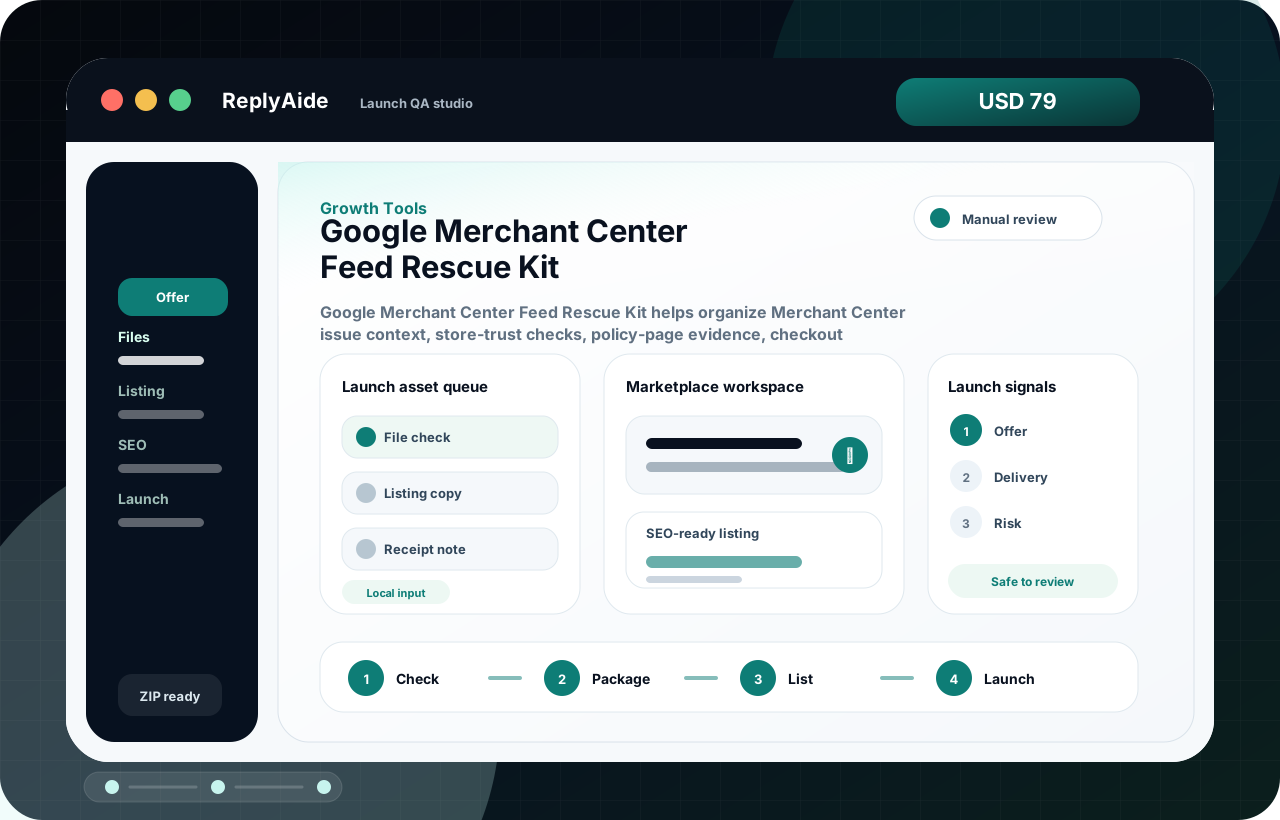
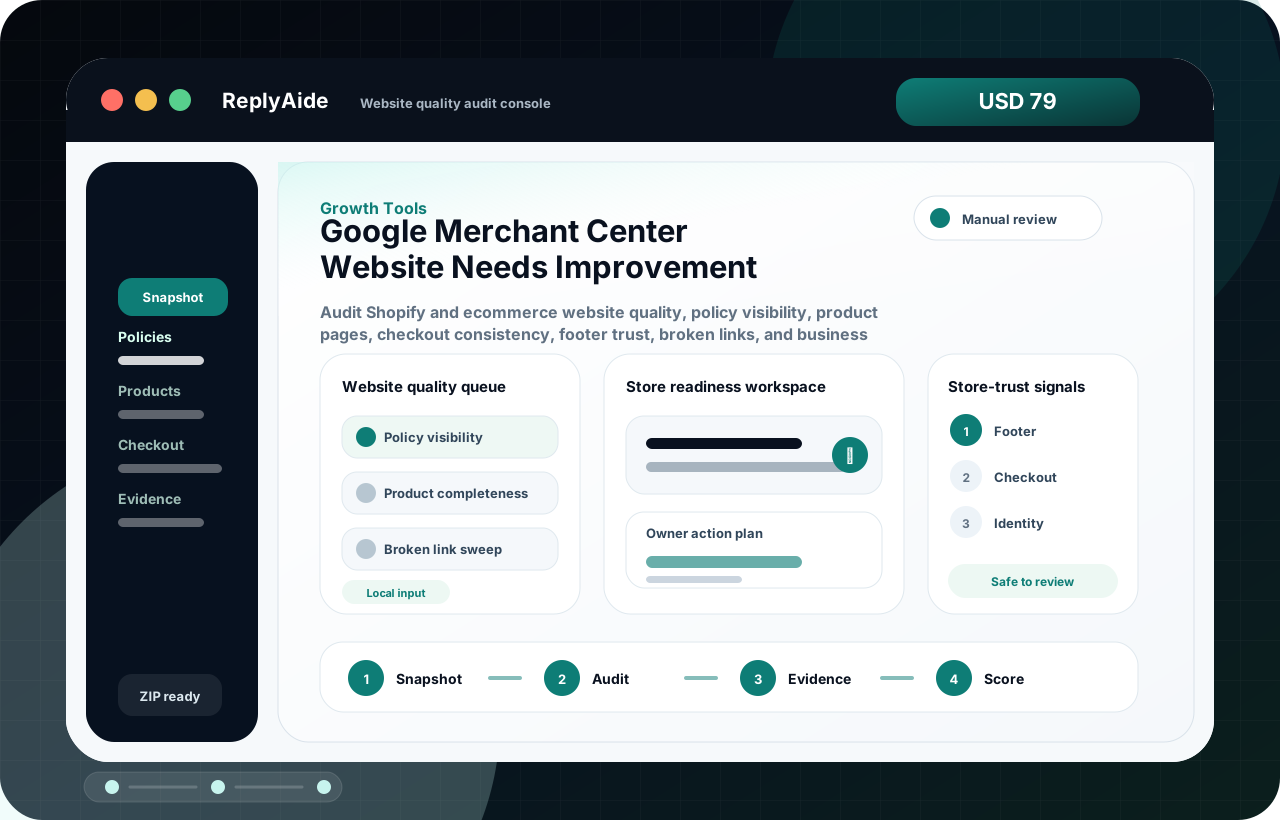
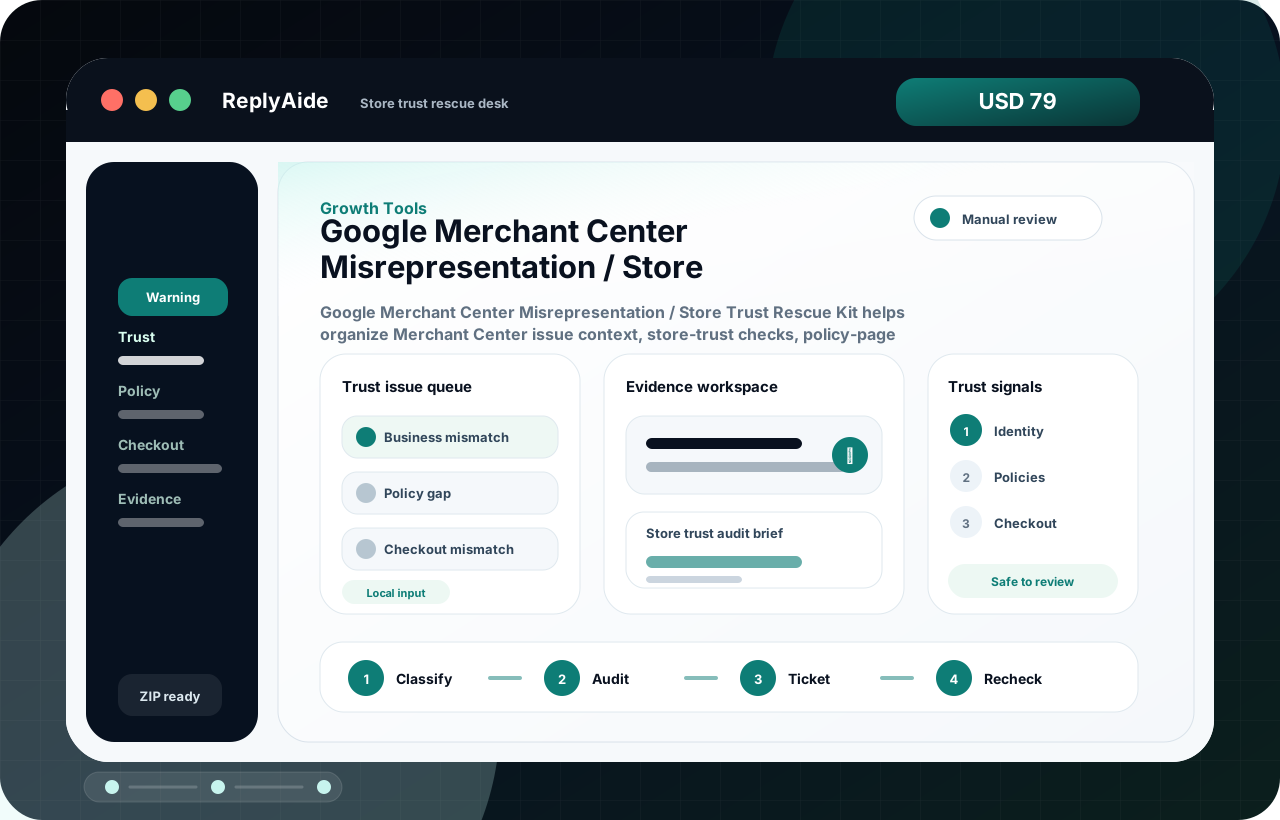
Use the free ZIP to find the problem type first. Then choose the Store Trust kit for visible trust, policy, checkout, and evidence work, or the Feed kit for submitted product data and feed-state triage.

Free check enough1 to 3 obvious gapsFix the visible issues, keep before/after notes, and rerun the CSV rows later.
Paid kit fitMore than 3 serious gapsUse a Rescue Kit when the cleanup needs owners, evidence, sample records, and a repeatable handoff.
Choose correctlyStore trust vs feed dataThe free check helps avoid buying a feed workflow for a store-trust problem, or the reverse.

Free to paid path

The free check diagnoses. The paid kits add workflow depth.

Use the free files to see what kind of issue you are dealing with. Move to a paid kit only when you want a packaged local workflow, more detailed trackers, and owner-ready handoff materials.

FreeFind the problem typeStore trust, feed data, checkout, policy, or product-page consistency.
PaidStructure the cleanupUse a Rescue Kit when the issue list needs ownership, records, and review notes.
ManualBuyer remains in controlNo outside account actions, no platform affiliation claim, and no promised outside result.