SOP audit checklist template

Audit the SOP by watching whether someone can actually use it.

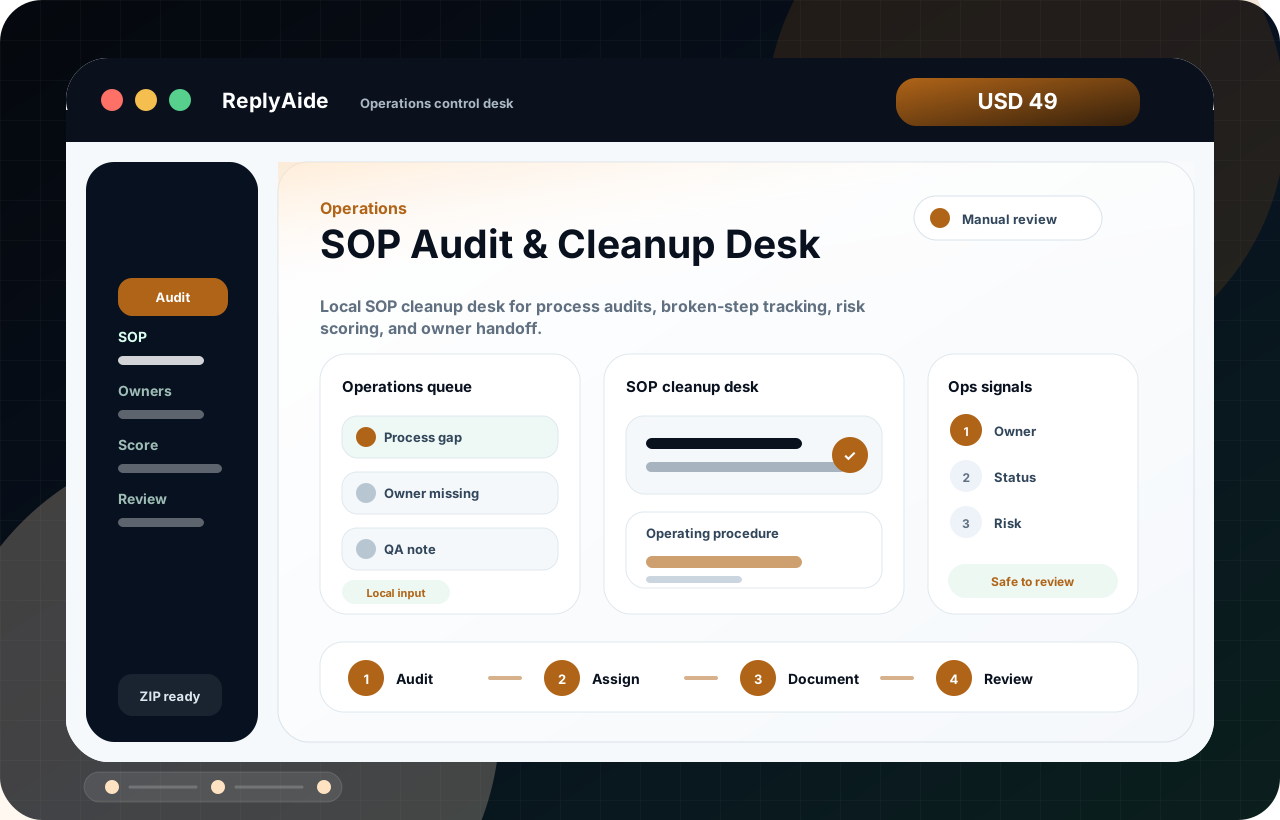
An SOP audit should test the document against real work. A procedure that looks complete but cannot guide a handoff still needs repair.

Search intent Operators reviewing stale procedures and needing a practical audit before delegation or process cleanup.

This page is a practical guide, not a guarantee of leads, revenue, compliance, payment collection, or platform approval.

SOP audit sections

A safe starting template.

Adapt this to the buyer's business, tools, consent rules, contracts, and platform policies before using it with real customers.

01
Current state: owner, last update, tool links, and process purpose.Review manually before external use.
Step
02
Usability: steps, screenshots, examples, and expected outputs.Review manually before external use.
Step
03
Exceptions: what to do when the normal path fails.Review manually before external use.
Step
04
Quality gate: review checklist, approval owner, and update cadence.Review manually before external use.
Step

Checklist

What to verify before using the workflow.

Test the SOP with a recent real task.

Keep this visible before sending, publishing, collecting data, or handing the workflow to another person.

Check every link, file, owner, and tool reference.

Keep this visible before sending, publishing, collecting data, or handing the workflow to another person.

Mark stale screenshots or missing examples.

Keep this visible before sending, publishing, collecting data, or handing the workflow to another person.

Add exception handling before handoff.

Keep this visible before sending, publishing, collecting data, or handing the workflow to another person.

Assign the next review date.

Keep this visible before sending, publishing, collecting data, or handing the workflow to another person.

Avoid these mistakes

The page should reduce risk, not just increase clicks.

Auditing only formatting.

Fix this before treating the workflow as production-ready.

Ignoring whether a new person can follow the steps.

Fix this before treating the workflow as production-ready.

Leaving ownership unclear.

Fix this before treating the workflow as production-ready.

Letting old procedures remain in active use.

Fix this before treating the workflow as production-ready.