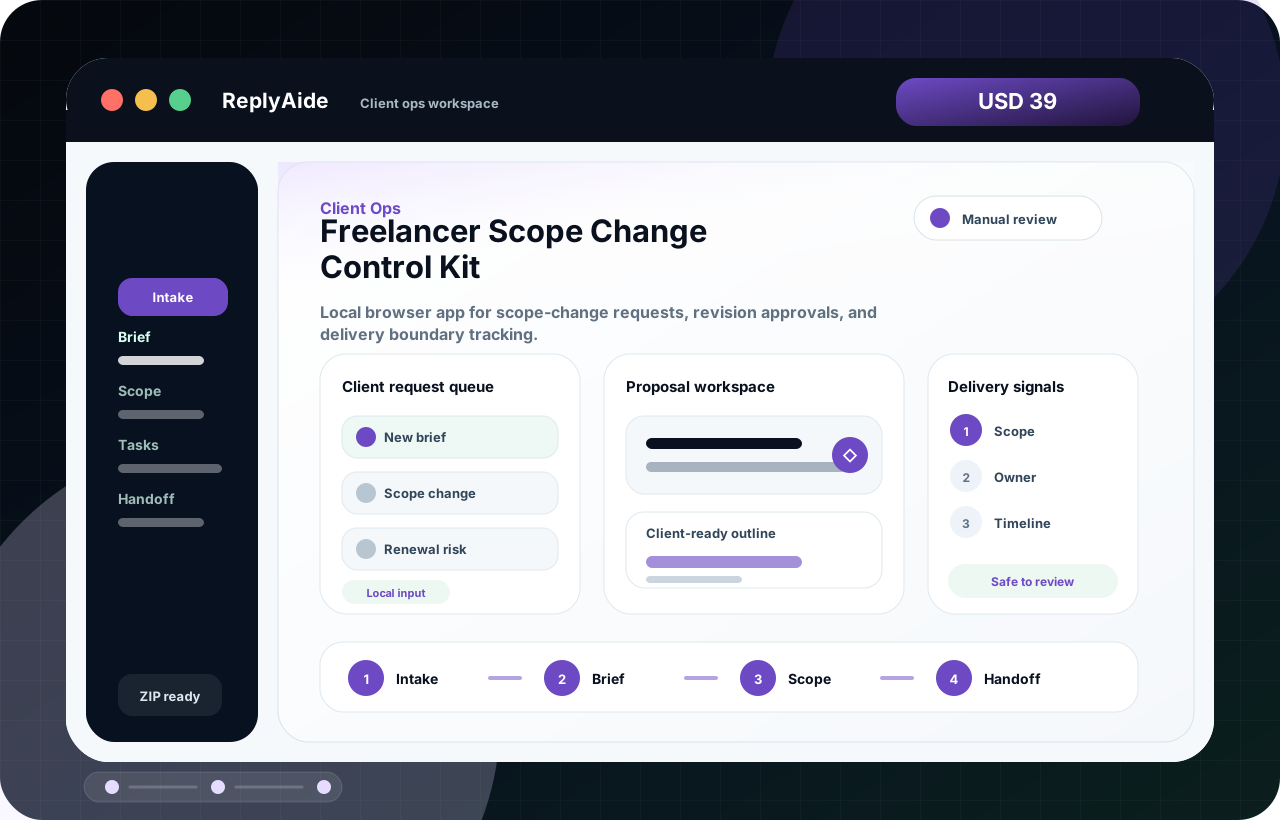
scope change request template

Scope creep gets easier when the change is visible.

A change request should not feel confrontational. It should document what changed, why it matters, and what approval is needed before work continues.

Search intent Freelancers and agencies dealing with small change requests that need cost, timeline, and approval clarity.

This page is a practical guide, not a guarantee of leads, revenue, compliance, payment collection, or platform approval.

Simple change request structure

A safe starting template.

Adapt this to the buyer's business, tools, consent rules, contracts, and platform policies before using it with real customers.

01
Requested change: describe the new request in one paragraph.Review manually before external use.
Step
02
Original scope reference: point to the agreed deliverable or boundary.Review manually before external use.
Step
03
Impact: list cost, timeline, dependencies, and risk.Review manually before external use.
Step
04
Options: approve, defer, replace another task, or reject.Review manually before external use.
Step
05
Approval record: name, date, written confirmation, and next action.Review manually before external use.
Step

Checklist

What to verify before using the workflow.

Respond calmly before doing the extra work.

Keep this visible before sending, publishing, collecting data, or handing the workflow to another person.

Translate the request into cost and timeline impact.

Keep this visible before sending, publishing, collecting data, or handing the workflow to another person.

Offer options instead of only saying no.

Keep this visible before sending, publishing, collecting data, or handing the workflow to another person.

Keep the approval record in the project folder.

Keep this visible before sending, publishing, collecting data, or handing the workflow to another person.

Use the same process for small changes so it becomes normal.

Keep this visible before sending, publishing, collecting data, or handing the workflow to another person.

Avoid these mistakes

The page should reduce risk, not just increase clicks.

Calling the request easy before checking dependencies.

Fix this before treating the workflow as production-ready.

Doing unpaid work to avoid an awkward conversation.

Fix this before treating the workflow as production-ready.

Letting approval happen verbally with no written record.

Fix this before treating the workflow as production-ready.

Treating every change as a conflict instead of a scope decision.

Fix this before treating the workflow as production-ready.