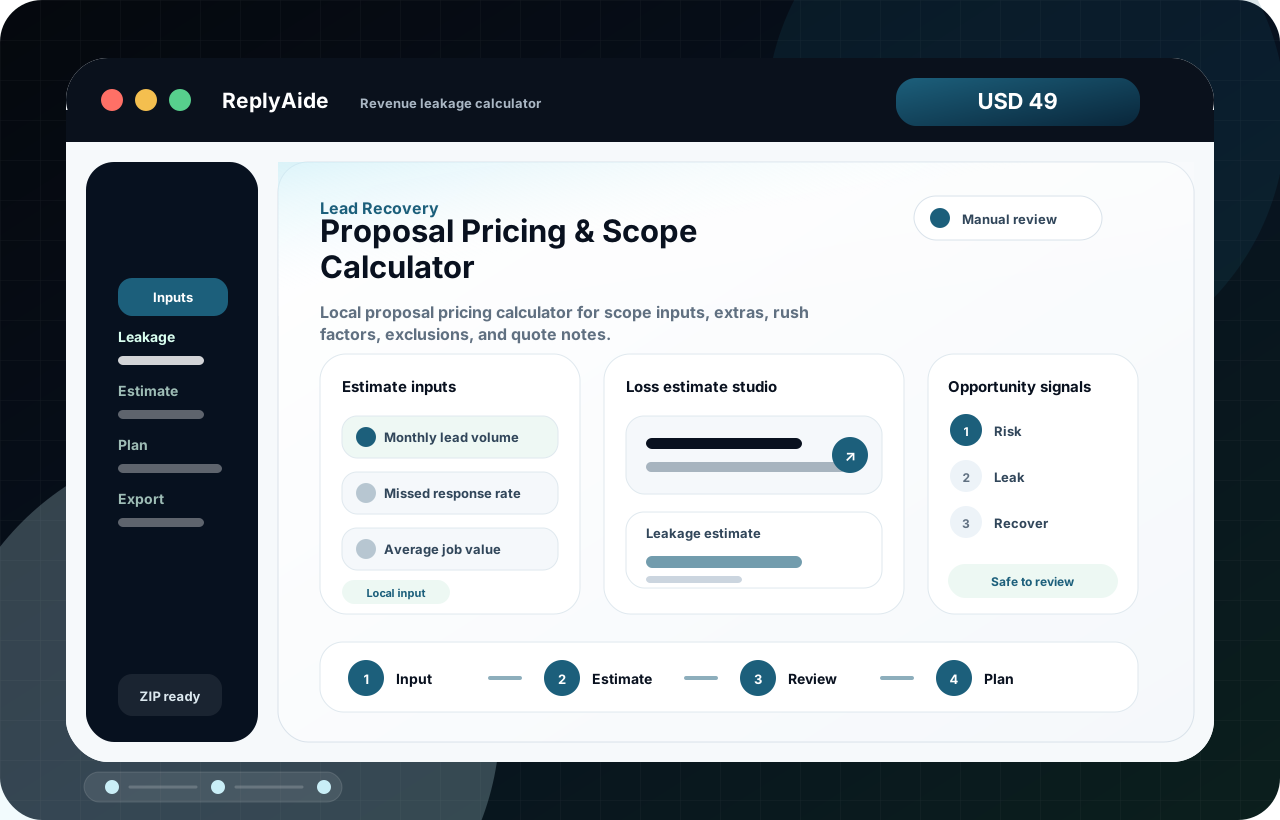
proposal pricing calculator template

Price the proposal with visible assumptions.

A pricing calculator is useful when it turns messy scope into clear assumptions. It should show what is included, what changes the price, and what needs approval.

Search intent Service providers pricing proposals who need a repeatable way to estimate scope and explain costs.

This page is a practical guide, not a guarantee of leads, revenue, compliance, payment collection, or platform approval.

Pricing calculator inputs

A safe starting template.

Adapt this to the buyer's business, tools, consent rules, contracts, and platform policies before using it with real customers.

01
Base service package and included deliverables.Review manually before external use.
Step
02
Complexity factors such as pages, assets, integrations, revisions, or locations.Review manually before external use.
Step
03
Timeline factors such as rush work, waiting periods, and dependency risk.Review manually before external use.
Step
04
Exclusions, optional add-ons, and approval notes.Review manually before external use.
Step

Checklist

What to verify before using the workflow.

Keep assumptions visible to the buyer.

Keep this visible before sending, publishing, collecting data, or handing the workflow to another person.

Separate fixed package price from variable add-ons.

Keep this visible before sending, publishing, collecting data, or handing the workflow to another person.

Document what triggers a change request.

Keep this visible before sending, publishing, collecting data, or handing the workflow to another person.

Review margin before sending the proposal.

Keep this visible before sending, publishing, collecting data, or handing the workflow to another person.

Avoid presenting estimates as guaranteed final pricing.

Keep this visible before sending, publishing, collecting data, or handing the workflow to another person.

Avoid these mistakes

The page should reduce risk, not just increase clicks.

Pricing from memory every time.

Fix this before treating the workflow as production-ready.

Hiding exclusions until after acceptance.

Fix this before treating the workflow as production-ready.

Ignoring timeline pressure.

Fix this before treating the workflow as production-ready.

Using a calculator without human review.

Fix this before treating the workflow as production-ready.